

Elevator Buckets Supplier in Philippines
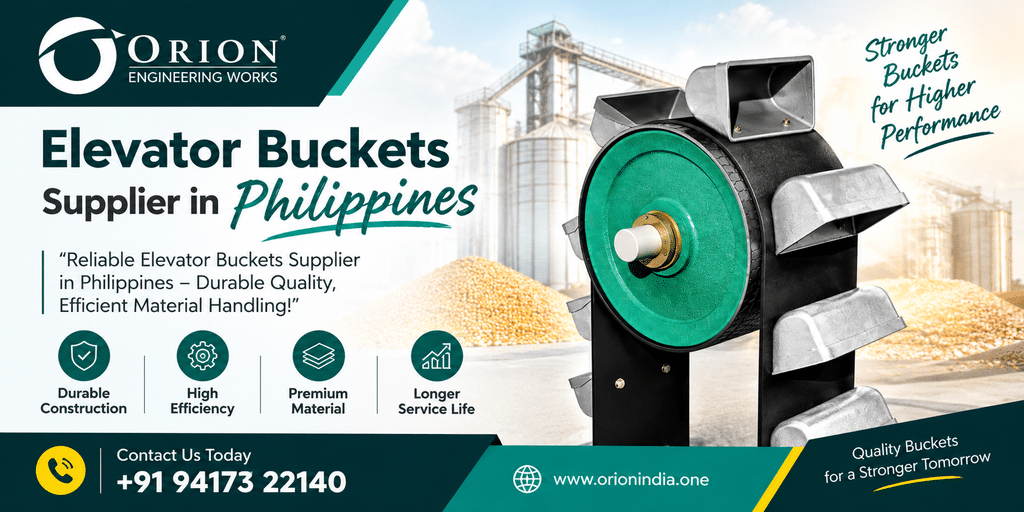
Table of Contents
Introduction
Welcome to Orion Engineering Works, a leading manufacturer based in the heart of India (Punjab), specialising in high-precision pellet dies, press rollers, elevator belts, and buckets. When it comes to pellet mill dies, we pride ourselves on being the best-quality manufacturer in the industry. Orion Engineering Works is dedicated to delivering top-quality components for various industries. With a robust production capacity of over 2800 units annually, we cater to pelleting plants involved in animal feed, minerals, wood products, waste recycling, and beyond.
In modern industries, efficient material handling is important for improving productivity, reducing manual work, and maintaining smooth production. Industries such as agriculture, cement, food processing, mining, and fertiliser manufacturing need reliable equipment to transport bulk materials safely and efficiently. One important component used in these systems is the elevator bucket. We are the best Elevator Buckets Manufacturer.
Orion Engineering Works is a company to consider for industrial material handling components. With a focus on practical engineering solutions and industrial requirements, Orion Engineering Works aims to support businesses looking for dependable products for their material handling applications.
What Are Elevator Buckets
Elevator buckets are specially designed containers attached to a belt or chain in a bucket elevator system. They collect materials from the bottom of the elevator and carry them upward before discharging them at the required point.
These buckets are commonly used to handle grains, seeds, cement, sand, fertilisers, minerals, and other bulk materials. Their design allows industries to move materials vertically while saving floor space and improving operational efficiency. We are the best Elevator Buckets Exporter.
The performance of a bucket elevator depends on several factors, including bucket design, material quality, capacity, installation, and maintenance. Selecting the right elevator buckets helps ensure consistent material flow and reliable operation.
Why Are Elevator Buckets Important
The Philippines has a wide range of industries that depend on efficient bulk material handling. Agricultural processing, rice milling, food manufacturing, construction materials, and industrial production all require equipment that can move materials reliably.
- Efficient vertical transportation: Elevator buckets move bulk materials from lower levels to higher levels in a controlled manner.
- Improved productivity: An efficient bucket elevator system supports continuous material movement and smoother production.
- Space-saving design: Vertical transportation helps businesses use available factory space more effectively.
- Reduced material handling effort: Automated conveying reduces the need for repeated manual lifting and transportation.
Elevator buckets help businesses transport materials vertically without depending entirely on manual handling. They also support organised production processes by transferring materials between storage areas, processing machines, silos, and packaging systems.
Types of Elevator Buckets
1. Plastic Elevator Buckets
Plastic elevator buckets are commonly used for lightweight and moderately abrasive materials. Depending on the plastic grade, they can offer low weight, corrosion resistance, and smooth material discharge.
These buckets are often considered for grain handling, seed processing, food-related applications, and agricultural operations. The selected material must be suitable for the product being conveyed, operating temperature, and applicable hygiene requirements.
2. Steel Elevator Buckets
Steel elevator buckets are used in applications that require strength and resistance to demanding operating conditions. Depending on the steel grade and construction, they can handle heavier materials and certain abrasive products.
They are commonly considered for cement plants, mining operations, mineral processing, and other industrial environments. The correct steel grade and bucket design should be selected according to the material’s weight and abrasiveness.
3. Stainless Steel Elevator Buckets
Stainless steel elevator buckets may be suitable for applications where corrosion resistance and cleanability are important. They are used in selected food processing, chemical, and pharmaceutical material handling operations.
The appropriate stainless steel grade depends on the material being conveyed, cleaning procedures, moisture exposure, and relevant industry standards.
4. Heavy-Duty Elevator Buckets
Heavy-duty elevator buckets are designed for demanding applications where material weight, impact, or abrasion may be significant. Their suitability depends on the bucket construction, mounting arrangement, and elevator operating conditions.
Industries handling minerals, cement, and other heavy bulk materials may require specially selected buckets to maintain dependable performance.
5. Deep and Shallow Elevator Buckets
Deep pattern elevator buckets have a deeper profile that provides greater carrying capacity for suitable bulk materials. They are often selected when a system needs to transport a relatively large quantity of material during each bucket cycle.
Deep buckets may be appropriate for certain free-flowing materials, while shallow buckets can be useful for specific discharge arrangements or materials that require different filling and emptying characteristics. The final choice should be based on the elevator manufacturer’s recommendations.
Applications of Elevator Buckets
1. Agriculture and Grain Handling
Elevator buckets are widely used in agricultural facilities for lifting and transferring grains from storage areas to cleaning, drying, and processing machines. They are suitable for handling rice, wheat, corn, maize, soybeans, and other agricultural products. Properly selected buckets help maintain a consistent flow of material and support efficient grain processing.
2. Food Processing Industry
Food processing plants use bucket elevators to transport bulk ingredients between different production stages. These systems can handle materials such as flour, sugar, rice, seeds, and other food ingredients. Depending on hygiene requirements, food-grade plastic or suitable metal buckets can be selected to support safe and efficient material handling.
3. Cement and Construction Industry
Cement plants and construction material facilities require dependable equipment for transporting heavy and abrasive materials. Elevator buckets are used to lift cement, sand, limestone, gypsum, and other raw materials. Choosing buckets with suitable strength, wear resistance, and capacity helps maintain reliable operation in demanding industrial environments.
4. Fertiliser Manufacturing
Fertiliser manufacturing units use elevator buckets to move granular and powdered materials through production and packaging processes. These buckets help transport raw materials, fertilizer granules, and blended products between storage silos, mixers, and packaging systems. The correct bucket material is important when handling corrosive or moisture-sensitive substances.
5. Mining and Mineral Processing
Mining and mineral processing facilities require robust material-handling solutions for lifting ores, mineral powders, and crushed materials. Elevator buckets designed for abrasive applications can help reduce wear and support continuous operations. Bucket size, construction material, and discharge design should match the characteristics of the material being handled.
6. Chemical Industry
Chemical processing plants use bucket elevators to transport powders, pellets, and granules between processing equipment. Buckets made from compatible materials can help handle different industrial chemicals safely. Material compatibility, temperature resistance, and the operating environment should be considered before selecting elevator buckets.
7. Rice Mills and Flour Mills
Rice mills and flour mills depend on efficient vertical transportation to move raw and processed products. Elevator buckets are used for lifting paddy, milled rice, wheat, flour ingredients, and bran. Selecting the appropriate bucket design helps maintain material flow and can minimize product damage during transportation.
8. Plastic and Polymer Industries
Plastic manufacturing facilities use bucket elevators to transport plastic granules, pellets, and other bulk materials. Lightweight and durable buckets can help move materials between storage hoppers, blending machines, and processing equipment. The correct bucket design supports efficient production and reduces unnecessary material spillage.
9. Power Plants and Biomass Processing
Power generation facilities and biomass plants use elevator buckets to move coal, wood chips, biomass pellets, and other bulk fuels. Buckets must be selected according to the material’s weight, abrasiveness, moisture content, and temperature. Suitable equipment helps improve fuel-handling efficiency and supports reliable plant operations.
How to Choose the Right Elevator Buckets
Choosing the correct elevator buckets is important for achieving good performance and controlling operating costs. Before placing an order, consider the following factors.
1. Material being handled: Identify whether the material is lightweight, heavy, abrasive, sticky, corrosive, or moisture-sensitive.
2. Bucket material: Select plastic, steel, stainless steel, or another suitable construction according to the operating environment.
3. Required capacity: Consider the desired throughput, bucket volume, filling efficiency, and elevator speed.
4. Bucket dimensions: Confirm the width, depth, height, and mounting-hole positions required by your existing system.
5. Belt or chain compatibility: Ensure that the bucket attachment arrangement is compatible with the elevator belt or chain.
6. Operating temperature: Check the temperature limits of the bucket material, especially in hot industrial applications.
7. Maintenance requirements: Consider inspection frequency, replacement procedures, spare-part availability, and expected wear.
8. Supplier reliability: Work with a supplier that can understand your technical requirements and provide clear product information before you purchase.
Providing these details when contacting a supplier can help you identify a suitable solution for your plant.
Benefits of Elevator Buckets
1. Improved Material Handling Efficiency
One of the main benefits of elevator buckets is their ability to move bulk materials vertically with less manual effort. They collect materials from the loading point and carry them upward for controlled discharge.
Industries handling rice, grains, powders, cement, and other bulk products can benefit from an efficient bucket elevator system. Properly designed buckets help maintain a steady material flow and support better production efficiency.
2. Durable and Long-Lasting Performance
High-quality elevator buckets are designed to withstand regular industrial use. Depending on the application, they may be manufactured from materials such as steel, stainless steel, or suitable engineering plastics.
A reliable supplier helps buyers select buckets according to the load, material characteristics, temperature, and working environment. Choosing the right material can reduce premature wear, deformation, and frequent replacement.
3. Reduced Maintenance Costs
Elevator buckets that match the machine’s specifications can help reduce unnecessary maintenance. Correct bucket dimensions, mounting arrangements, and material selection support reliable operation and help prevent avoidable equipment problems.
For businesses in the Philippines, reducing maintenance interruptions can help control operating expenses and improve production planning. Regular inspection and correct installation remain important for extending bucket service life.
4. Better Product Handling
Different materials require different bucket designs. Properly selected elevator buckets help collect, carry, and discharge materials effectively while reducing unwanted spillage.
This is particularly important in food processing, grain handling, and other operations where material loss and cleanliness are major concerns. The correct bucket shape and capacity can also help reduce material buildup during operation.
5. Higher Production Capacity
The right elevator bucket design can help businesses move more material during each operating cycle. Bucket capacity, spacing, elevator speed, and material flow all influence overall conveying performance.
For industrial facilities in the Philippines, selecting buckets that match the required production rate can support bulk handling operations and help maintain consistent material movement. Capacity should always be evaluated alongside the elevator’s mechanical limits.
6. Lower Energy Consumption
Lightweight elevator buckets, when suitable for the application, can reduce the load carried by the elevator system. This may help lower the energy required to operate the equipment and reduce stress on belts, chains, and drive components.
The actual energy savings depend on the bucket material, load, elevator design, operating speed, and efficiency of the complete system.
7. Resistance to Wear and Corrosion
Elevator buckets are available in different materials to meet various industrial requirements. Steel buckets can be suitable for heavy-duty and high-temperature applications, while stainless steel and selected engineering plastics may be appropriate for applications requiring corrosion resistance or easier cleaning.
Choosing a material that suits the transported product and working environment can help reduce wear, corrosion, and replacement frequency.
8. Easy Installation and Replacement
Elevator buckets are commonly attached to a conveyor belt or chain using suitable fasteners. Correctly matched mounting holes and dimensions make installation and replacement easier.
A supplier who understands the existing elevator specifications can help buyers identify compatible replacement buckets, reducing the risk of fitting problems and unnecessary maintenance delays.
Why Choose Orion Engineering Works
Orion Engineering Works is a company to consider when exploring industrial material handling components for your business. For buyers searching for an Elevator Buckets Supplier in the Philippines, identifying a supplier that understands industrial requirements is an important step toward selecting the right equipment.
When evaluating Orion Engineering Works for your requirements, discuss your application in detail to determine product suitability.
Here are some important points to consider when working with a supplier:
- Application-based selection: Explain the material you handle and the operating conditions so that the appropriate bucket type can be identified.
- Technical specifications: Confirm bucket dimensions, material grade, mounting details, and compatibility with your elevator system.
- Industrial requirements: Select products according to the load, temperature, wear conditions, and operating speed of your equipment.
- Replacement planning: Check the specifications of your existing buckets to help avoid installation and compatibility issues.
- Long-term performance: Follow the recommended operating limits and maintenance practices to support dependable equipment operation.
Orion Engineering Works can be approached to discuss your elevator bucket requirements and determine the available options for your industrial application. Confirm product availability, specifications, and delivery arrangements directly with the company before placing an order.
Maintenance Tips for Elevator Buckets
Even high-quality elevator buckets need proper maintenance to perform effectively. Regular inspection helps identify problems before they cause major equipment interruptions.
- Inspect buckets for cracks, deformation, corrosion, and excessive wear.
- Check bolts, fasteners, and mounting points for looseness.
- Examine the elevator belt or chain for damage and alignment problems.
- Avoid overloading the elevator beyond its designed capacity.
- Keep the system clean when material buildup could affect filling or discharge.
- Follow the equipment manufacturer’s recommended inspection and maintenance schedule.
- Replace damaged buckets with compatible products that meet the required specifications.
Routine maintenance can help extend component life, improve operational reliability, and reduce unexpected production stoppages.
Frequently Asked Questions (FAQs)
1. What are elevator buckets used for
Elevator buckets are used to lift and transport bulk materials vertically in industries such as agriculture, cement manufacturing, mining, food processing, and fertiliser production.
2. Which materials are used to manufacture elevator buckets
Elevator buckets may be manufactured from plastic, steel, stainless steel, or other suitable materials. The correct option depends on material characteristics and operating conditions.
3. How do I select the right elevator bucket
Consider the material being conveyed, required capacity, bucket dimensions, operating temperature, elevator speed, and belt or chain attachment arrangement.
4. Where are elevator buckets commonly used in the Philippines
They can be used in rice mills, agricultural processing facilities, cement plants, fertiliser factories, feed mills, and selected mining and mineral processing operations.
5. How can I improve the service life of elevator buckets
Regular inspections, correct installation, suitable material selection, proper loading, and timely replacement of damaged components can help improve service life.
6. Can elevator buckets be used for abrasive materials
Yes, suitable buckets can be used for certain abrasive materials. However, the bucket material, thickness, design, and wear resistance must match the application.
7. Why is bucket and belt compatibility important
Correct compatibility helps ensure secure mounting, proper bucket spacing, and reliable operation. Incompatible components can contribute to mechanical problems and premature wear.
Conclusion
Elevator buckets are essential components in industrial systems that transport bulk materials vertically. Choosing the right bucket material, size, capacity, and mounting arrangement can help improve productivity, support reliable material flow, and reduce avoidable maintenance issues. We are the best Elevator Buckets Exporter in Punjab.
Orion Engineering Works is a company to consider when discussing your industrial material handling requirements. Share your application details and technical specifications with the company to explore suitable elevator bucket options for your operations.