

Elevator Belts Supplier in Karnataka
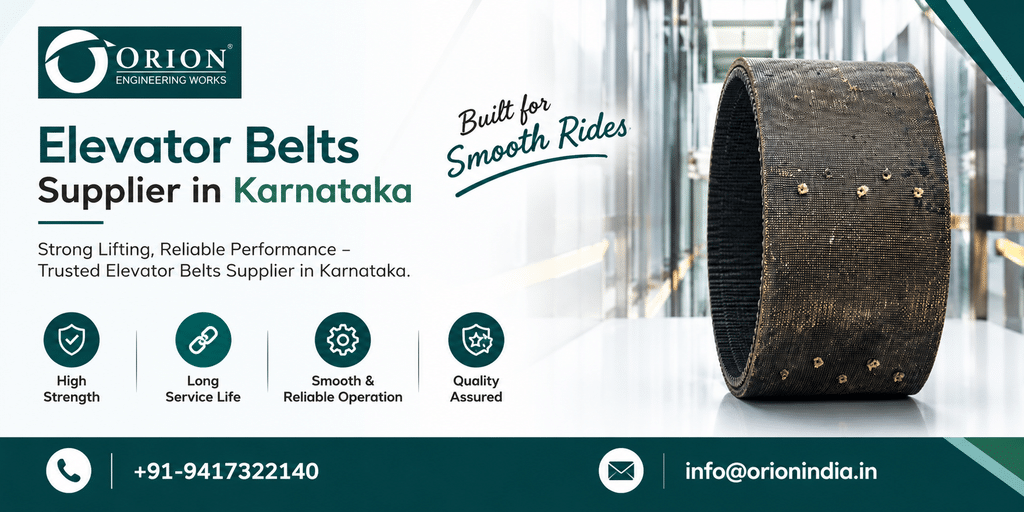
Table of Contents
Introduction
Welcome to Orion Engineering Works, a leading manufacturer based in the heart of India (Punjab), specialising in high-precision pellet dies, press rollers, elevator belts, and buckets. When it comes to pellet mill dies, we pride ourselves on being the best-quality manufacturer in the industry. Orion Engineering Works is dedicated to delivering top-quality components for various industries. With a robust production capacity of over 2800 units annually, we cater to pelleting plants involved in animal feed, minerals, wood products, waste recycling, and beyond.
In modern industries, the safe and efficient movement of bulk materials is very important. Industries such as agriculture, food processing, cement, fertilizers, mining, chemicals, and manufacturing regularly need reliable material-handling systems. Bucket elevators are widely used for lifting and transporting materials vertically from one level to another. One of the most important components of a bucket elevator is the elevator belt. We are the best Elevator Belts Manufacturer.
A strong and durable elevator belt helps the bucket elevator operate smoothly and efficiently. Choosing the right belt is essential because the belt carries the load and works continuously under demanding industrial conditions. For businesses looking for a dependable Elevator Belts Supplier in Karnataka, selecting an experienced and quality-focused supplier can make a significant difference.
Orion Engineering Works provides industrial solutions designed to support efficient material handling operations. With a focus on quality, durability, and customer requirements, Orion Engineering Works can be a reliable choice for industries looking for elevator belt solutions.
What Are Elevator Belts
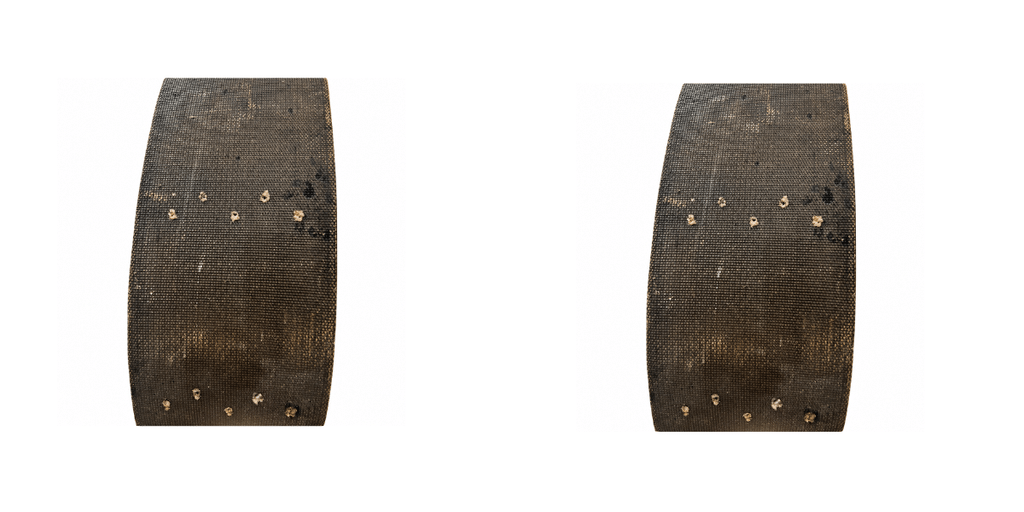
Elevator belts are specially designed belts used in bucket elevator systems. They are fitted with buckets that carry bulk materials vertically. As the belt moves continuously around the elevator system, the buckets collect material from the bottom and discharge it at the required height. We are the best Elevator Belts Exporter.
- Type of material being transported
- Material weight
- Elevator height
- Operating speed
- Temperature conditions
- Bucket size and spacing
- Working environment
- Required belt strength
Unlike ordinary conveyor belts, elevator belts are designed to handle vertical lifting applications. They need to provide good tensile strength, flexibility, resistance to wear, and reliable performance under continuous operation.
Why Quality Elevator Belts Are Important
Bucket elevators often operate for long hours in demanding industrial environments. The elevator belt is one of the key components responsible for carrying the buckets and the material.
A low-quality or incorrectly selected belt can lead to premature wear, stretching, cracking, belt tracking problems, and unexpected production interruptions. This is why industries should work with an experienced Elevator Belts Supplier in Karnataka who can understand their application and recommend an appropriate solution.
The correct belt selection depends on several factors, including material type, temperature, bucket capacity, elevator speed, belt width, operating environment, and required tensile strength.
Types of Elevator Belts
1. Rubber Elevator Belts
Rubber elevator belts are among the commonly used options for industrial bucket elevators. They offer good flexibility, durability, and resistance to general wear and impact. These belts can be used for materials such as grain, fertilizer, cement, minerals, and other bulk products.
Rubber belts can also be manufactured with different cover compounds depending on the application. General-purpose rubber is suitable for normal operating conditions, while specialized compounds can be selected where oil, heat, fire, or abrasion resistance is required.
2. EP Elevator Belts
EP elevator belts use a polyester-nylon carcass that provides good tensile strength with relatively low elongation. Low elongation is particularly important in bucket elevators because excessive belt stretch can affect bucket alignment, belt tension, and overall elevator performance.
These belts are suitable for applications where reliable continuous vertical conveying is required. EP elevator belts are commonly considered for cement, fertilizer, grain, and mineral-handling applications.
3. Nylon Elevator Belts
Nylon elevator belts are designed for applications where flexibility and good tensile performance are required. Nylon reinforcement can provide resistance to repeated bending around pulleys while supporting the load carried by the buckets.
They can be considered for various material-handling applications where flexibility and dependable belt movement are important.
4. Cotton Elevator Belts
Cotton elevator belts are another option used in certain industrial and agricultural applications. They can be suitable for relatively moderate-duty material handling, depending on the construction and operating requirements.
Cotton elevator belts are available in different widths and configurations and can be used with suitable bucket arrangements. Suppliers in Bengaluru and Karnataka markets offer cotton and synthetic elevator belt options for industrial requirements.
5. PVC Elevator Belts
PVC elevator belts are lightweight and can provide useful resistance to moisture and certain chemicals. They can be considered for applications where hygiene, easy cleaning, and a relatively lightweight belt construction are important.
PVC and synthetic elevator belts are available in different sizes and configurations for industrial vertical conveying.
6. Steel Cord Elevator Belts
Steel cord elevator belts are designed for demanding applications requiring high tensile strength and very low elongation. Steel reinforcement can make these belts suitable for high-capacity or high-lift bucket elevator systems.
They can be considered for heavy-duty industries where the elevator operates under significant loads or at substantial lifting heights. The appropriate belt construction should be selected according to elevator height, bucket load, pulley diameter, material characteristics, and operating conditions.
Applications of Elevator Belts
1. Agriculture and Grain Handling
One of the major applications of elevator belts is agriculture and grain handling. Bucket elevators are commonly used to lift grains, seeds, pulses, and other agricultural products from one processing stage to another or into storage silos.
Elevator belts provide continuous vertical movement and can help reduce manual material handling. They are suitable for grain processing plants, warehouses, agricultural facilities, and silo-feeding systems.
2. Food Processing Industries
Food processing plants require controlled and dependable material transportation. Elevator belts can be used for handling grains, pulses, seeds, sugar, starch, potatoes, and other bulk food materials.
For food-related applications, the belt selection should consider hygiene, material compatibility, operating temperature, and the type of product being transported. Food-grade belt options are available for suitable applications.
3. Cement Manufacturing Plants
Cement plants handle large quantities of abrasive materials such as clinker, cement, limestone, gypsum, and other raw materials. Bucket elevators are used for vertical transportation within these plants.
Heavy-duty elevator belts can be selected for applications where abrasion resistance, tensile strength, and reliable operation are important. Mill-duty belt bucket elevators are specifically used in demanding industries such as cement, rock, lime, and gypsum.
4. Fertilizer Industry
Fertilizer manufacturing and processing facilities require continuous movement of granular and powdered materials. Elevator belts can be used to lift fertilizers between different processing and storage levels.
Proper belt selection helps accommodate the material characteristics and operating environment. Bucket elevators are also used for handling fertilizer materials in industrial plants.
5. Chemical Industries
Chemical plants often handle powders, granules, plastic materials, and other bulk products. Elevator systems can provide vertical conveying while reducing the need for manual movement.
For chemical applications, an appropriate belt compound and construction should be selected according to the material being handled and the working conditions. This can include considerations such as oil resistance, temperature resistance, abrasion resistance, and chemical compatibility.
6. Mining and Mineral Processing
Mining and mineral-processing facilities frequently require the vertical transportation of bulk materials. Elevator belts can be used for handling materials such as minerals, aggregates, ore, sand, gravel, and other processed materials.
Because many mining materials are abrasive, belts designed with suitable wear-resistant covers and strong tensile members can be important for achieving dependable service. Bucket elevator belts are listed for sand, gravel, stone, mineral processing, and related applications.
7. Power Plants
Power plants can use elevator systems for moving materials such as coal and fly ash. Specialized elevator belts are available for demanding power-generation applications.
Steel-cord elevator belts, for example, are used in heavy-duty applications including fly-ash elevators in power plants.
8. Foundries and Metal Industries
Foundries handle sand, minerals, metal-related materials, and other bulk substances. Vertical material transportation can be required between storage, processing, and production areas.
Elevator belts can help provide continuous movement in these environments. Specialized heavy-duty belts may be selected when the application involves abrasive materials, high loads, or demanding operating conditions. Foundries are among the documented application areas for specialized elevator belts.
9. Sugar and Starch Industries
Sugar refineries and starch-processing facilities use material-handling equipment to move bulk products through different stages of production. Elevator belts can support vertical conveying of sugar, starch, potatoes, and related materials.
Proper belt construction can help maintain smooth movement while supporting continuous industrial operation. Sugar refineries and starch factories are among the applications listed for bucket elevator belts.
10. Recycling and Waste Treatment
Recycling plants and waste-treatment facilities need efficient systems for moving materials between different processing levels. Elevator belts can be incorporated into vertical conveying systems where the material characteristics and system design are suitable.
They can help move bulk recyclable materials and processed waste while reducing the requirement for manual transportation. Recycling, composting, and waste-treatment plants are established application areas for bucket elevator belts.
11. Warehousing and Silo Feeding
Modern warehouses, grain storage facilities, and industrial silos often require efficient movement of bulk materials. Elevator belts can help transport products vertically into storage systems.
This is particularly useful where floor space is limited and material needs to be transferred to elevated storage or processing equipment. Silo feeding and warehousing are recognized applications for bucket elevator belts.
Benefits of Elevator Belt
1. High Load Carrying Capacity
Quality elevator belts are manufactured with strong reinforcement materials such as polyester, nylon, EP fabric, aramid, or steel cord. These constructions allow the belt to carry the weight of the buckets along with the conveyed material during vertical lifting.
This makes elevator belts suitable for applications where large quantities of grain, cement, fertilizer, minerals, sand, and other bulk materials need to be lifted continuously.
2. Excellent Vertical Material Handling
Unlike ordinary conveyor belts that are mainly used for horizontal or inclined transportation, elevator belts are specifically designed for vertical conveying. Buckets are securely attached to the belt and move material upward in a continuous cycle.
This makes them useful where production facilities need to transfer material between different heights without installing long horizontal conveyor systems. Belt bucket elevators can provide high-capacity vertical conveying while using comparatively limited floor space.
3. Low Elongation
Low elongation is an important characteristic of a good elevator belt. Excessive belt stretching can affect bucket alignment, belt tension, tracking, and overall elevator performance.
Modern elevator belts can be manufactured with low-elongation carcasses, helping maintain more stable operation and reducing the need for frequent tension adjustments. For industries operating elevators for long hours, this can contribute to more consistent performance.
4. High Resistance to Wear and Abrasion
Industrial elevator systems often handle abrasive materials such as cement, minerals, sand, stone, fertilizer, and other bulk products. Continuous contact with these materials can cause premature belt wear if the belt is not properly selected.
Elevator belts with suitable abrasion-resistant covers can provide better protection against wear. Different cover compounds are available for different working conditions, including general-purpose, heat-resistant, oil-resistant, and fire-resistant requirements.
5. Better Bolt-Hole Strength
Buckets are generally fixed to elevator belts using bolts or mechanical fasteners. The belt therefore needs sufficient strength around the punched holes.
High-quality elevator belts are designed with strong carcass construction and good bolt-tear resistance. This helps reduce the possibility of tearing around fastening points during continuous operation. This is particularly important for heavy-duty elevators carrying large bucket loads.
6. Reduced Maintenance Requirements
A properly selected elevator belt can help reduce maintenance requirements. Low elongation, good abrasion resistance, strong fastening areas, and suitable cover properties can contribute to longer operating periods between major maintenance activities.
Manufacturers also highlight reduced maintenance and longer service life as important advantages of purpose-designed bucket elevator belts.
Regular inspection is still necessary. Operators should check belt alignment, tension, fasteners, bucket condition, pulley condition, and material buildup.
7. Longer Service Life
Elevator belts work continuously under tension while carrying both buckets and bulk material. Therefore, durability is an important consideration when selecting a belt.
A belt with the correct tensile strength, reinforcement, cover compound, and elongation characteristics can provide dependable service over an extended operating period. For heavy-duty applications, steel-cord constructions can also be used where long conveying distances and high strength are required.
9. Better Energy Efficiency
A well-designed belt elevator can provide continuous vertical transportation with efficient movement of bulk material. Belt systems can also have lower mechanical resistance than some chain-based systems, depending on the application and design.
Energy performance depends on several factors, including belt tension, elevator speed, bucket loading, pulley alignment, material characteristics, and maintenance condition. Proper belt selection therefore plays an important role in maintaining efficient operation.
10. Reduced Production Downtime
Unexpected belt failure can stop an entire material-handling process. This can affect production schedules and increase maintenance costs.
Using an elevator belt with suitable tensile strength, low elongation, abrasion resistance, and strong bucket fastening can help support reliable operation. Proper installation and preventive inspection are equally important for reducing unexpected stoppages.
How to Select an Elevator Belt
Before purchasing an elevator belt, industries should consider several technical and operational factors. First, understand the type and weight of material being transported. Heavy and abrasive materials may require a stronger belt construction.
Second, consider the elevator’s height and capacity. The belt should be capable of handling the required load over the complete lifting distance. Finally, discuss the application with an experienced Elevator Belts Supplier in Karnataka to identify a suitable option.
Third, check the operating temperature. If the belt is exposed to heat, an appropriate heat-resistant construction may be required. Fourth, consider the operating speed and bucket arrangement. The belt should be suitable for the speed and design of the bucket elevator.
Why Choose Orion Engineering Works
1. High-Quality Elevator Belts
One of the major reasons to choose a professional Elevator Belts Supplier in Karnataka is access to quality belts designed for industrial applications. Good-quality elevator belts are manufactured to provide strength, flexibility, durability, and consistent performance.
A properly selected belt can handle repeated bending and continuous movement while maintaining its shape and performance. Quality materials can also help reduce premature belt failure and unnecessary replacement costs.
2. Suitable for Heavy-Duty Applications
Many industries in Karnataka use vertical material-handling systems for transporting bulk materials. Elevator belts may be required to handle products such as grains, seeds, fertilizers, cement materials, minerals, powders, and other bulk goods.
A dependable supplier can help businesses select belts suitable for their load, operating conditions, belt speed, and elevator design. This makes the belt more reliable during demanding industrial operations.
3. Excellent Strength and Durability
Durability is an important factor when purchasing elevator belts. Industrial elevator systems may operate for long hours every day, so the belt needs to withstand continuous tension and movement.
A good elevator belt can offer high tensile strength and resistance to wear. Features such as low elongation, flexible construction, and good resistance to operating conditions can contribute to longer service life. Industrial belting manufacturers commonly emphasize these characteristics for demanding conveyor and elevator applications.
4. Reduced Maintenance Requirements
Frequent belt replacement and unexpected breakdowns can interrupt production. Choosing a dependable Elevator Belts Supplier in Karnataka can help businesses select the correct belt for their specific application.
When the belt is properly matched with the elevator system, it can support smoother operation and reduce the possibility of premature wear. This can lower maintenance requirements and help industries maintain consistent production schedules.
5. Customized Belt Solutions
Different industries and machines have different belt requirements. Belt width, thickness, strength, length, number of plies, cover properties, and operating environment can vary depending on the application.
An experienced supplier can understand these requirements and recommend an appropriate elevator belt. Suppliers serving Karnataka commonly work with specifications such as belt width, number of plies, cover thickness, belt length, material handled, and operating temperature when selecting industrial belts.
6. Better Resistance to Wear and Abrasion
Elevator belts used for bulk material handling can experience continuous contact with materials and elevator components. Abrasion-resistant belt construction can therefore be important for applications involving rough or abrasive materials.
A suitable belt helps maintain reliable performance over extended operating periods. This is particularly useful for industries handling minerals, cement-related materials, grains, fertilizers, and other bulk products.
7. Reliable Performance in Different Industries
A professional Elevator Belts Supplier in Karnataka can serve a wide range of industries. Elevator and conveyor belting solutions are used in sectors including cement, steel, mining, agriculture, food processing, fertilizer, chemical, construction, and material handling.
This wide industrial application makes elevator belts an important component for businesses that need dependable vertical material transportation.
8. Technical Support and Product Guidance
Selecting an elevator belt only by price may not always provide the best result. The belt must be compatible with the elevator’s operating conditions and material-handling requirements.
An experienced supplier can provide guidance regarding belt construction, dimensions, strength, application, and installation requirements. This technical assistance can make the purchasing process easier and help customers choose a more suitable product.
9. Timely Supply Across Karnataka
For industries, delays in receiving replacement belts can affect production. Choosing a supplier with an established supply network can help businesses receive their required products more efficiently.
Karnataka has several industrial centres, including Bengaluru, Mysuru, Hubballi, Belagavi, Ballari, Tumakuru, Kalaburagi, and other manufacturing and processing regions. Suppliers serving the state can support businesses across different industrial locations.
10. Cost-Effective Long-Term Solution
The cheapest belt is not always the most economical option. A low-quality belt that wears out quickly may increase replacement, maintenance, and downtime expenses.
A durable elevator belt with appropriate specifications can provide better long-term value. Businesses can benefit from longer service intervals, improved operational reliability, and fewer unexpected interruptions.
Conclusion
Elevator belts play an important role in bucket elevator systems used for vertical material transportation. From agriculture and food processing to cement, fertilizers, mining, minerals, and manufacturing, industries depend on efficient material-handling equipment for smooth production. We are the best Elevator Belts Exporter in Punjab.
Choosing the right elevator belt can help improve material handling, reduce unexpected downtime, support equipment efficiency, and provide dependable operation. The belt should always be selected according to material type, load, temperature, elevator design, speed, and working conditions.
If you are searching for a dependable Elevator Belts Supplier in Karnataka, Orion Engineering Works offers industrial solutions focused on quality, durability, and application requirements. With the right elevator belt and proper maintenance, industries can keep their material-handling systems operating smoothly and efficiently.